The public administrations linked to the innovation projects of attention to homelessness Housing Rights and H4Y FUTURO, together with HOGAR SÍ and Provivienda, have sent a series of consensus recommendations to the Ministry of Social Rights and Agenda 2030 for the improvement of the future Homelessness Strategy 2023-2030. This document was a joint effort, to which institutions such as the Municipal Foundation of Social Services of the City Council of Gijón, the Insular Directorate of Social Inclusion of the IMAS of the Island Council of Mallorca, the Homeless and Transient Service of the City Council of Cartagena, the Directorate General of Housing of the Principality of Asturias, the City Council of Seville and the City Council of Avilés have adhered.
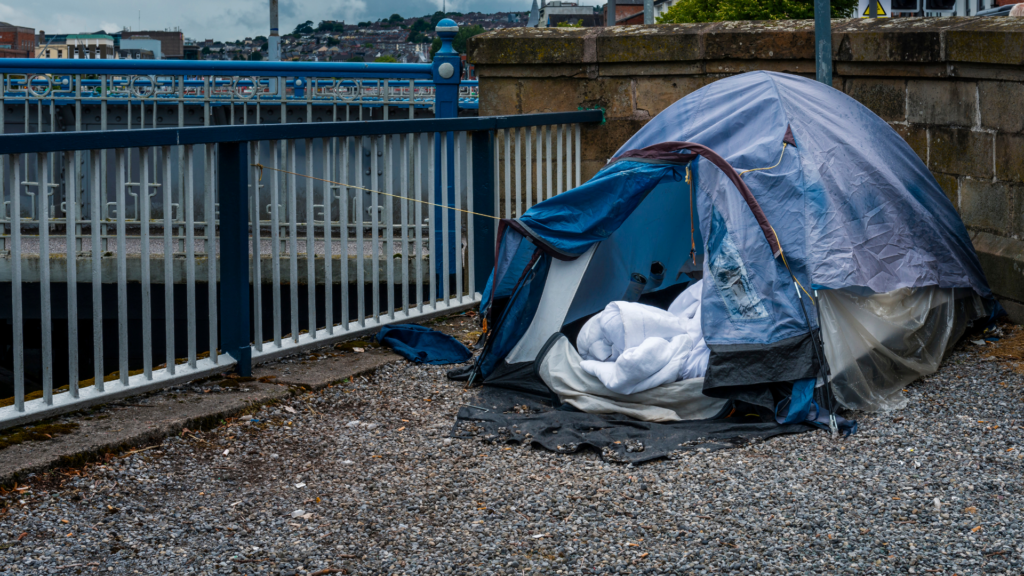
The National Homelessness Strategy 2023-2030, which the Ministry intends to approve later this year, wants to have the input of different homelessness organizations. Therefore, this document, "Recommendations for the design of the National Homelessness Strategy 2023-2030", proposes a new approach focused on access to housing, prevention and autonomy to address the problem of homelessness in Spain. A problem that according to the Homeless Survey (INE, 2022) affects more than 28,500 people nationwide, 24.5% more than in 2012.
The document emphasizes the need to promote prevention and early care policies to prevent people from becoming homeless, as well as the importance of comprehensive and personalized care for people who are already in this situation.
Proposals for the transformation of the homeless care system
Firstly, it is pointed out that there is currently an inequality in the direct intervention and management of public administrations in the primary care network of social services, which calls for a transition plan with state funding and the participation of social agents and local administrations. The transition plan proposes a series of measures, such as the definition of lines of action, the creation of a reference framework, the incorporation of evaluation indicators and the increase in the ownership of collective accommodations and housing by the administrations.
Regarding the territorial approach, the importance of effective coordination between the different levels of government and between the various social actors to ensure a comprehensive and sustainable response to the problem of homelessness is underlined. Participants mention the need to provide funding instruments to the territories and expand the technical capacities of public administrations to implement the 2023-2030 Strategy and improve the situation of homeless people. To this end, it is proposed to create a state-level Monitoring Body or Technical Committee, promote the prevention of homelessness, foster the development of action protocols and facilitate the training of professionals. It also highlights the importance of promoting the study and knowledge of homelessness in order to raise awareness among the actors involved.
Strengthen the linkage of the Homelessness Strategy with various ministries and with the public administrations themselves.
Another of the points agreed on for improving the Strategy is the importance of expanding the technical capacities of the Public Administrations in the management of public services and policies against homelessness. It is also proposed to promote a line of work aimed at the prevention of homelessness, to promote the development of action protocols with different services and to facilitate the training of professionals to accompany homeless people during the transition to the housing-based care model. It is recommended to promote awareness and knowledge about homelessness in order to change the mentality of the actors when dealing with the problem.
Finally, it is proposed to strengthen collaboration between the third sector and the public administrations themselves. The management of collective housing is largely carried out by social entities. Therefore, the Third Sector is a key ally of the Public Administrations in the deployment of the 2023-2030 Strategy. Its strengths lie in its capacity for adaptation, knowledge of the reality on the ground and sensitivity in dealing with the problem of homelessness. It is proposed that the new Strategy should promote cooperation frameworks between public administrations and third sector entities to foster coordinated action on homelessness.
Moving towards guaranteeing the right to housing
In short, the 2023-2030 Strategy seeks to transform the traditional model to provide a real solution to the problem of homelessness in Spain. This consensus submission to the Ministry of Social Rights and Agenda 2030 is an important milestone in the fight for the right to housing in Spain. It is an example of how collaboration between public and private organizations can produce effective and sustainable solutions to complex social problems.
It is necessary that measures are taken to guarantee the right to housing for all people and to enforce Article 47 of the Spanish Constitution. We hope that the recommendations presented by the public administrations, HOGAR SÍ and Provivienda will be seriously considered by the Ministry of Social Rights and Agenda 2030, and that effective measures will be taken to address the housing crisis in Spain.