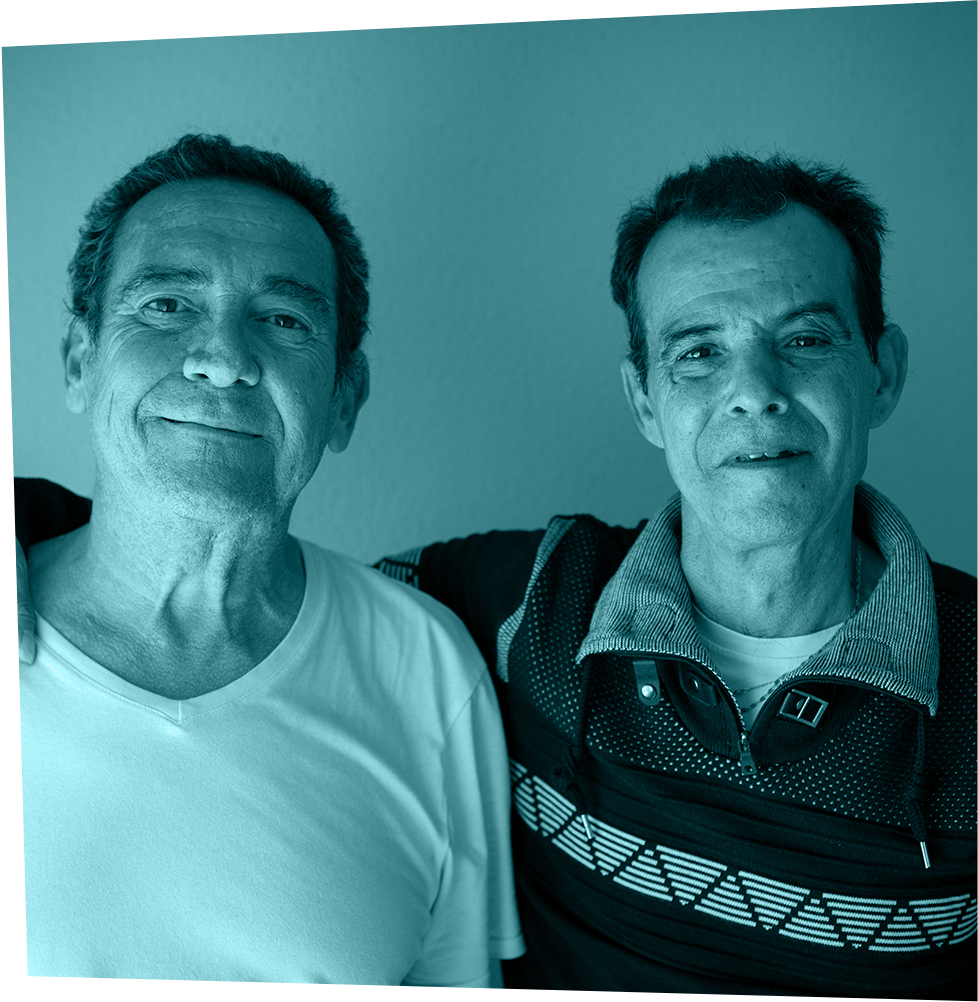
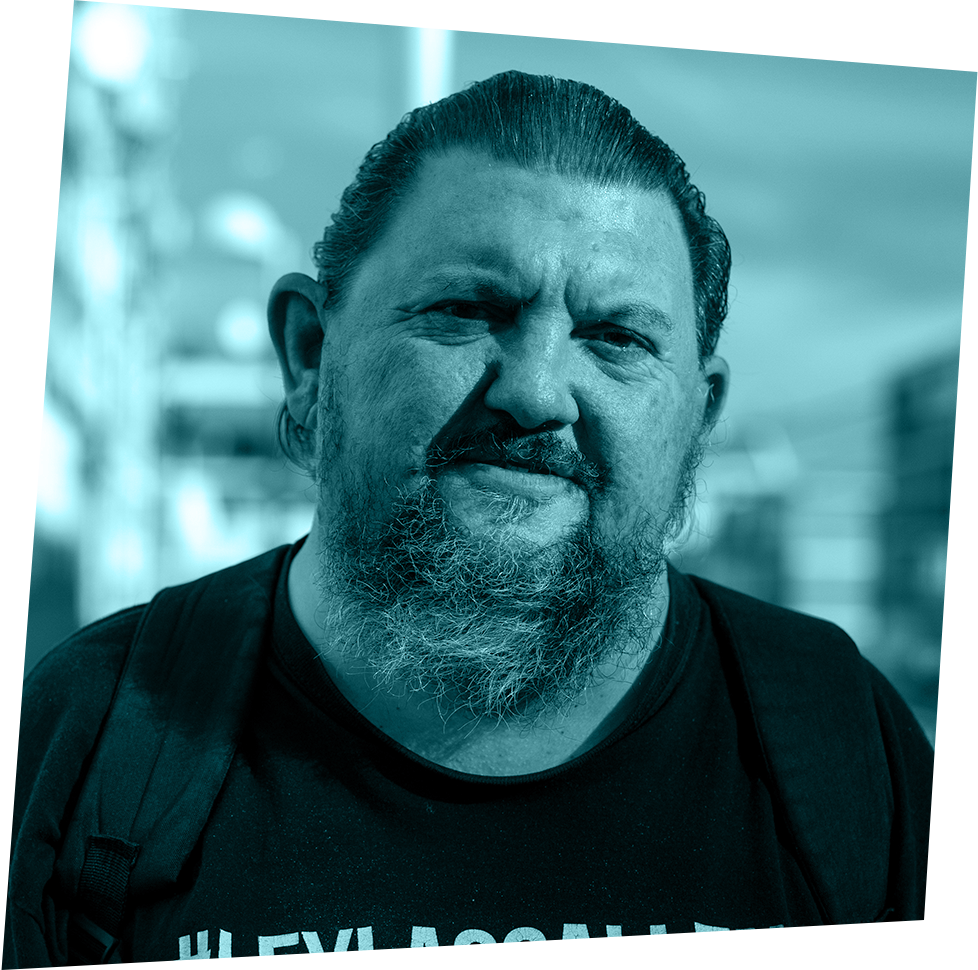
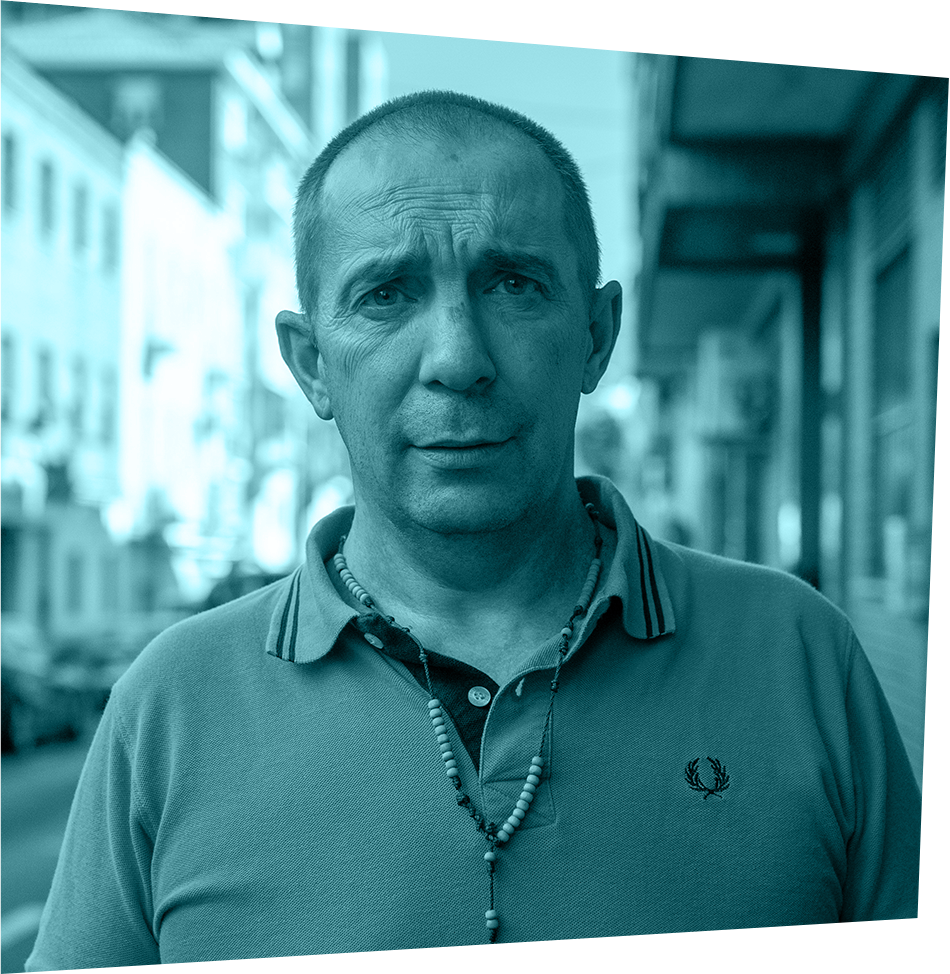
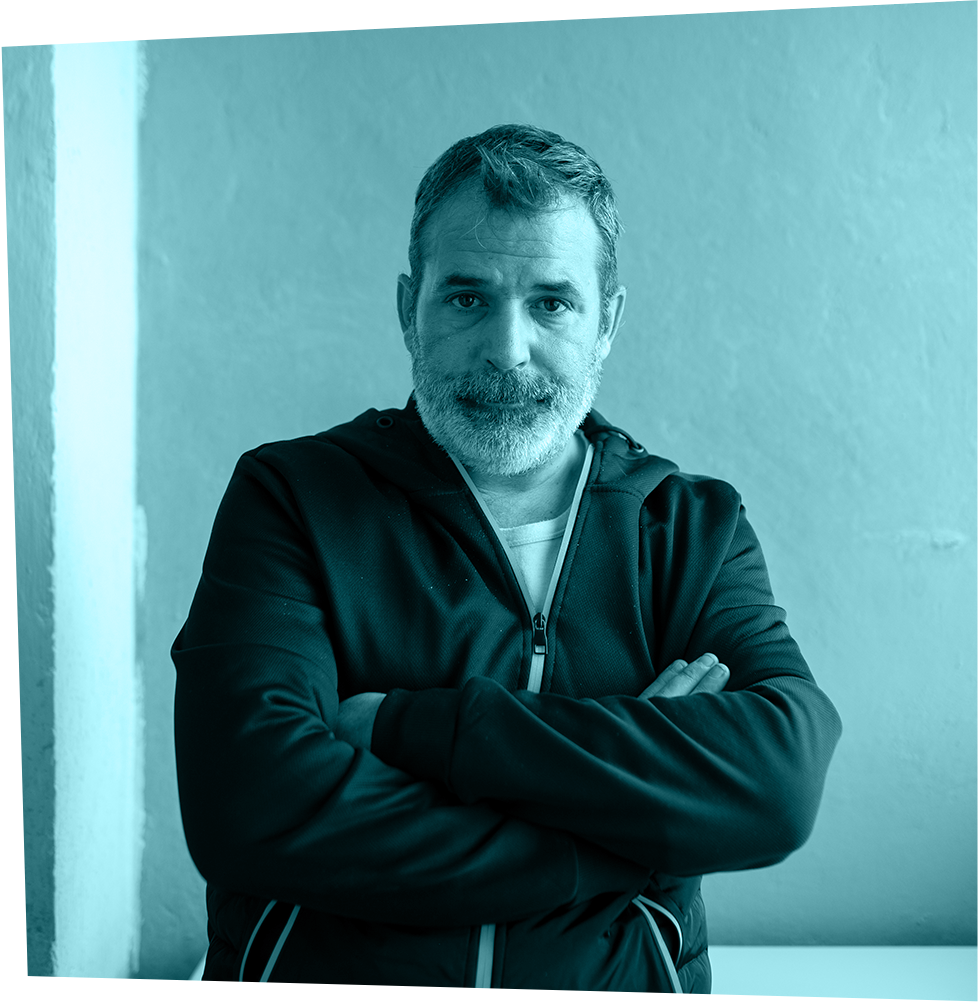
More than 37,000 people in Spain are homeless. Living on the street is a violation of rights: to housing, health, employment...
Deinstitutionalization means moving from a model of care based on institutional care to a model of community and personalized care, where people can choose where to live, and do so integrated into their community.
At HOGAR SÍ and Provivienda we seek innovative deinstitutionalizing solutions.
What is deinstitutionalization?
We seek to transform public policies for the care of homeless people. We want to promote changes in the traditional response system to the problem of homelessness: to move from care in large centers and shelters to care in community housing.
In addition to thinking about meeting basic needs such as shelter and food, deinstitutionalization is based on providing stable housing, comprehensive services, and professional and community support.
Safe and stable homes are provided for the homeless, enabling them to rebuild their lives and reintegrate into society.
Personal choice
It encourages the involvement of project participants in designing their own life plan, while providing the necessary support to make informed decisions. This provides a real opportunity to build a better future for all.
Community support
Services are provided to help homeless people regain their autonomy. To achieve this, it is essential to generate a change of culture among professionals so that they incorporate this deinstitutionalizing dimension into their practices and professional accompaniment.
IN FIRST PERSON
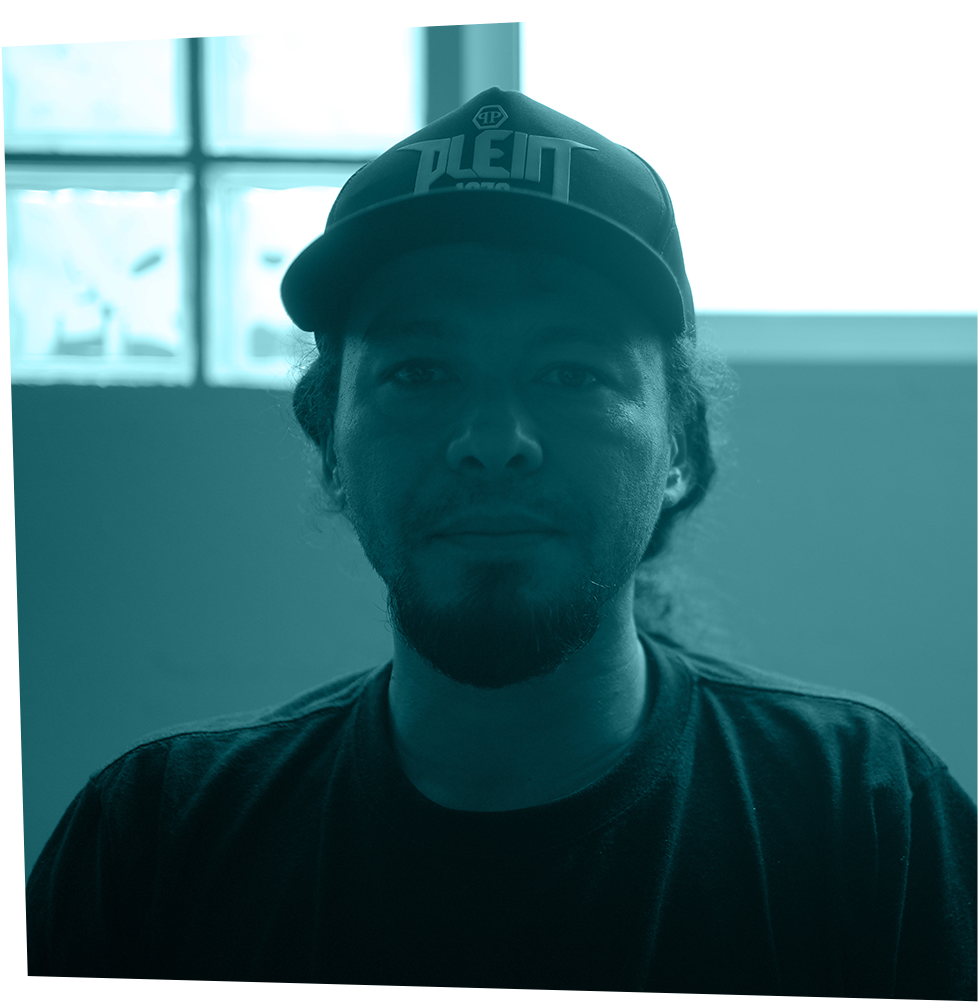
"Microwave, TV, your warm bed. It's been a radical change."
RICARDO
At HOGAR SÍ and Provivienda we promote the transition from the current collective housing model to models based on housing in community environments.
https://www.youtube.com/embed/fIAGoLz3E44
"Microwave, TV, your warm bed. It's been a radical change."
RICARDO
At HOGAR SÍ and Provivienda we promote the transition from the current collective housing model to models based on housing in community environments.
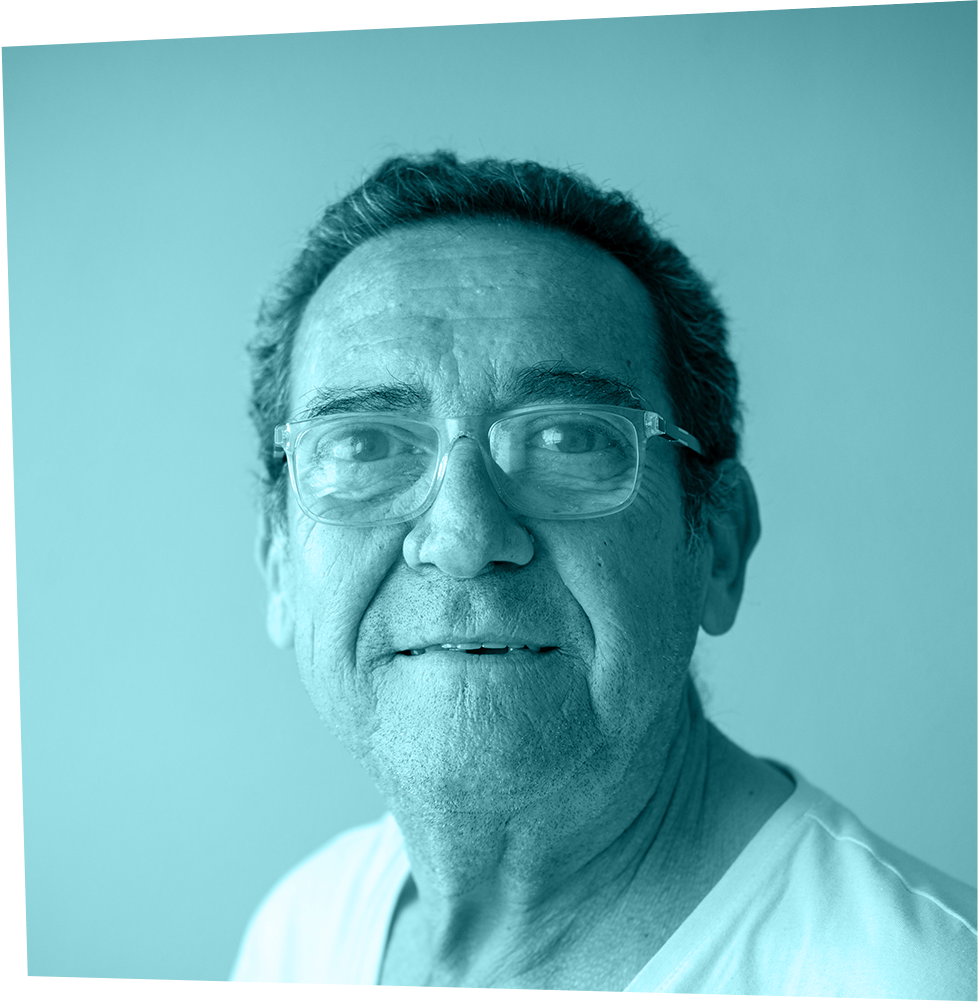
"I'd rather be in a house than in a shelter. It's better for my treatment."
MANUEL
The effects of living without the safety and security of a home have devastating effects on people's health. A response is urgently needed.
https://www.youtube.com/embed/2INMB6pjcOs
"I'd rather be in a house than in a shelter. It's better for my treatment."
MANUEL
The effects of living without the safety and security of a home have devastating effects on people's health. A response is urgently needed.
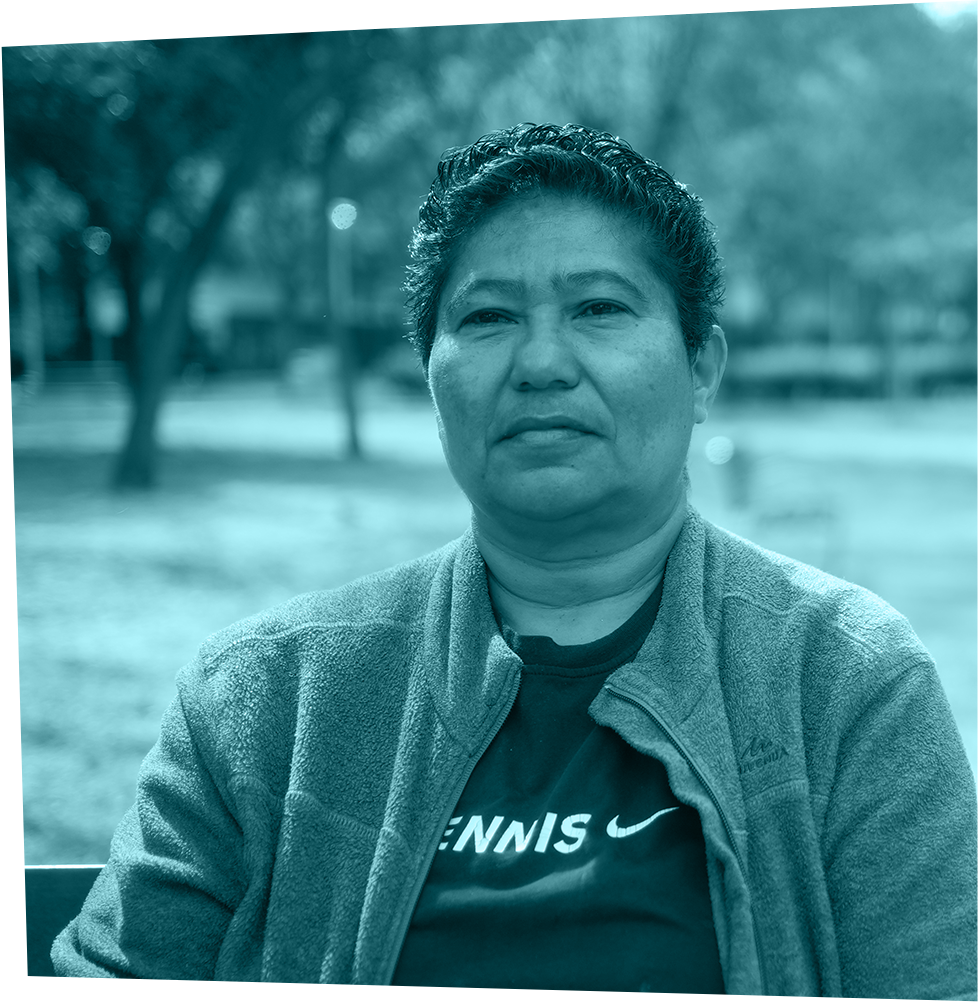
"To recover, to be calm, to rest..."
Ruben
The home and the professionalized accompaniment allow for the necessary recovery and autonomy.