October 2 marks the celebration of World Habitat Day. Every year, on the first Monday of October, the United Nations commemorates this day with the aim of reflecting on the state of our towns and cities and on the basic right of all people to adequate housing. In doing so, the Organization seeks to recall the collective responsibility for the future of human habitat. This year's theme focuses on "Resilient Urban Economies. Cities as engines of growth and recovery".
This day also marks the beginning of Urban October, a month dedicated to promoting a better urban future, inviting people to reflect on the various problems that occur in these environments and to generate new opportunities and initiatives for sustainable development in cities.
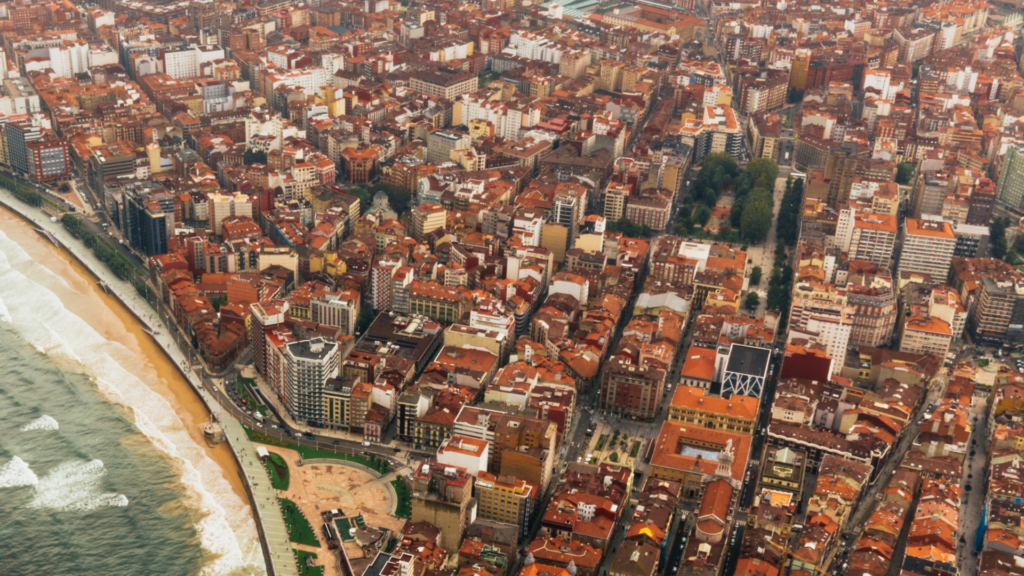
Cities are currently home to more than half of the world's population, a trend that is expected to continue to increase in the coming years. The concentration of population and economic fabric in urban areas makes them vulnerable during crises, as well as drivers of recovery. "Local action is vital and global cooperation indispensable (...) Let us commit to building inclusive, safe, resilient and sustainable human settlements for all people, everywhere". These words of Antonio Guterres, UN Secretary General, invite us to think about the livability of the areas where we live. We need resilient urban economies, but also livable cities for all people.
Can we enjoy our habitat on equal terms?
The various crises, but especially that of COVID-19, once again highlighted how they affect the population unequally, causing a serious impact on the most vulnerable economies and making visible the precarious situations of households and, even more so, the lack of housing.
Informal settlements, where there is no adequate infrastructure, sanitation or access to basic services, are places where people are severely discriminated against and exposed to extreme situations. The UN estimates that a quarter of the world's population lives in such settlements. Therefore, focusing on the transformation of these environments, to provide them with water, electricity and their conversion into adequate housing, must be a priority for governments to ensure the rights of these people and that cities are truly inclusive.
Homelessness is undoubtedly another of the phenomena that make visible the inhospitable nature of the environments we inhabit. In addition to the serious violation of rights that comes with not being able to access housing, hostile architecture is another obstacle to homeless people simply being on the street. Bollards on flat areas or individual benches are some of the elements that prevent them from enjoying public spaces, trying to expel them from urban centers and making this problem invisible.
The configuration of our cities conditions the quality of life of the people who live in them. And extreme weather phenomena, such as the heat waves we are experiencing more and more frequently, especially affect the most vulnerable population. Therefore, having nearby green areas, groves of trees or climatic shelters are key issues to cope with these situations, and will be essential for the habitability of our environments in the coming years.
A resilient habitat must be able to adapt to the new issues we face, in an inclusive and sustainable manner. In this way, World Habitat Day provides us with a platform to build close and welcoming cities that can be inhabited by all.
Alba González, advocacy technician of the Provivienda Association.